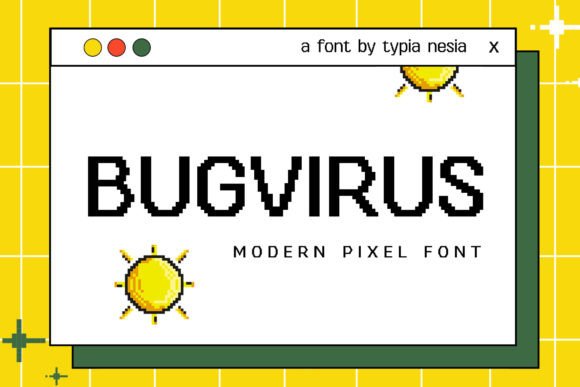
Unlocking the Pixelated Soul of Bugvirus
There’s something undeniably nostalgic about a font that feels like it stepped out of a 1980s arcade. When I was redesigning the header for my lifestyle blog, I knew I needed something that would catch the eye without overwhelming the reader. That’s when I stumbled upon Bugvirus, a pixel-style font that immediately resonated with my vision for a fresh yet familiar aesthetic.
A Font That Speaks in Pixels
Bugvirus is more than just a display font—it’s a visual echo of retro gaming and digital nostalgia. Its blocky, pixelated structure brings to mind the early days of computer graphics, where every character had a distinct shape and personality. The font carries a playful yet professional tone, making it ideal for editorial design that wants to balance charm with clarity.
What sets Bugvirus apart is its rhythm. Each letter feels handcrafted, with sharp edges and a consistent grid that gives it a sense of order and precision. This makes it not only visually striking but also surprisingly readable, even at smaller sizes. It’s a rare find in the world of display fonts—something that can hold its own in headlines without sacrificing legibility.
Where Does Bugvirus Belong?
I’ve used Bugvirus in several editorial contexts, and each time, it has adapted beautifully. For instance, when designing a cover for a recipe ebook, I paired it with a clean sans serif font for the body text. The contrast between the bold, pixelated title and the sleek, modern body copy created a dynamic visual hierarchy that drew readers in and kept them engaged.
In a recent newsletter redesign, I used Bugvirus as the primary heading font. The pixelated texture added a unique flair that felt both modern and timeless. It worked especially well for section headers and pull quotes, where it could stand out without overpowering the surrounding content.
For a wedding guide I’m working on, I considered using Bugvirus as an accent font. Its quirky personality would have added a fun, tech-inspired edge to the design, while still maintaining a level of sophistication that fits the occasion.
Readability and Practicality
While Bugvirus shines in headlines and decorative elements, I’ve also tested its performance in longer-form content. On mobile devices, the font holds up reasonably well, though I recommend using it sparingly in body copy to avoid readability issues. In PDF exports and print materials, the crisp pixelation ensures that the font remains clear and sharp, even at smaller sizes.
When considering font pairing, I often pair Bugvirus with a readable serif or sans serif font. This creates a balanced composition that works well across different mediums. For example, using a modern sans serif for captions and navigation complements the retro feel of Bugvirus without creating visual clutter.
It’s also worth noting that Bugvirus includes various styles, weights, and alternates, which offer flexibility in design. Whether you’re creating a logo, a printable planner, or a course PDF, the font’s versatility ensures that it can adapt to your specific needs.
Designing with Purpose
As an editorial designer, I believe that typography should tell a story. Bugvirus does this effortlessly. It evokes a sense of nostalgia while remaining relevant in today’s design landscape. Its use in content branding helps establish a unique identity that resonates with audiences who appreciate both style and substance.
Whether you’re crafting a blog header, designing a magazine cover, or building a printable guide, Bugvirus offers a fresh perspective on how fonts can shape the reading experience. It’s a reminder that sometimes, the best design choices are the ones that feel both familiar and new.
Final Thoughts on Bugvirus
Testing Bugvirus has been a rewarding journey into the world of retro typography. It’s a font that invites creativity and encourages thoughtful design. From lifestyle blogs to digital magazines, its applications are as diverse as they are effective.
Before finalizing any project that uses Bugvirus, I always make sure to check the included styles, ligatures, and file formats. Ensuring that the font supports multilingual characters and commercial licensing is essential, especially for paid newsletters, client publications, or digital downloads.
Ultimately, Bugvirus is more than just a font—it’s a design tool that bridges the past and present. It reminds us that good typography isn’t just about aesthetics; it’s about creating an experience that connects with the reader on a deeper level.